The Thousand-View Wall: What YouTube Does With a Video in Its First 24 Hours
A computer isn't YouTube. But every computer is a browser, and the browser of 2026 is not the one I grew up in. Notes from running channels, plus the jury that agreed. Part two of three.
Part one was about a three-year-old and car videos. This part is about the machine underneath, because I run a piece of it.
Computers are not YouTube. But.
Computers, of course, are not YouTube. A clean macOS or Linux does not shove an ad in your face every time you try to do anything. But any computer is access to a browser. And a modern browser is not the one I grew up with.
In 2003 content had to be found. You went to forums, you read IRC, you traded links over ICQ. Good memes were saved to floppy disks (later to phones, and passed around over the infrared port). There was no resource onto which 720,000 hours of video are uploaded every single day. That number is YouTube’s own, 500 hours a minute, and it works out to 82 years of nonstop watching, 24/7, arriving daily.
In 2026 all of that exists. And not out of malice or hatred. Simply out of not giving a damn, and out of not understanding what the word “consequences” means. That is how every one of these resources turns into an endless pull.
I run a channel. Here is what I see.
I have an Instagram channel at about a million views a month, and I am currently growing my YouTube. So I know how this works from the creator’s side, not from a think piece.
On YouTube you cannot get past roughly a thousand views if the people watching your video do not subscribe to your channel. In my analytics that is a hard cap. YouTube stops promoting a video after about 24 hours if it does not make people subscribe.
However much they tell me I’m a good boy and made the best video in the world, the view graph shows the tactic. You are shown to four groups of people, about 250 at a time. If they don’t subscribe, you are dumped into oblivion, and c’est la vie.
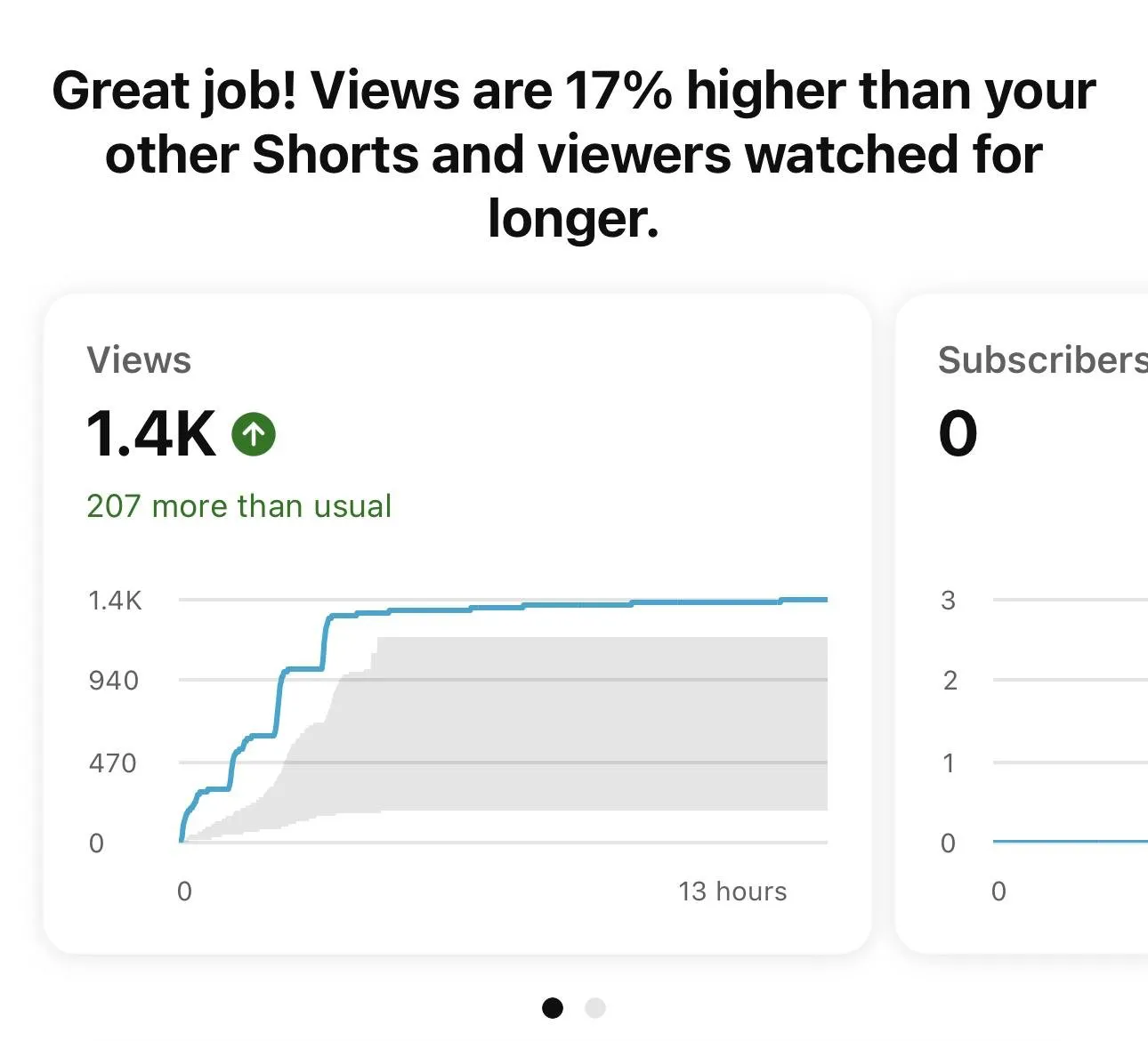
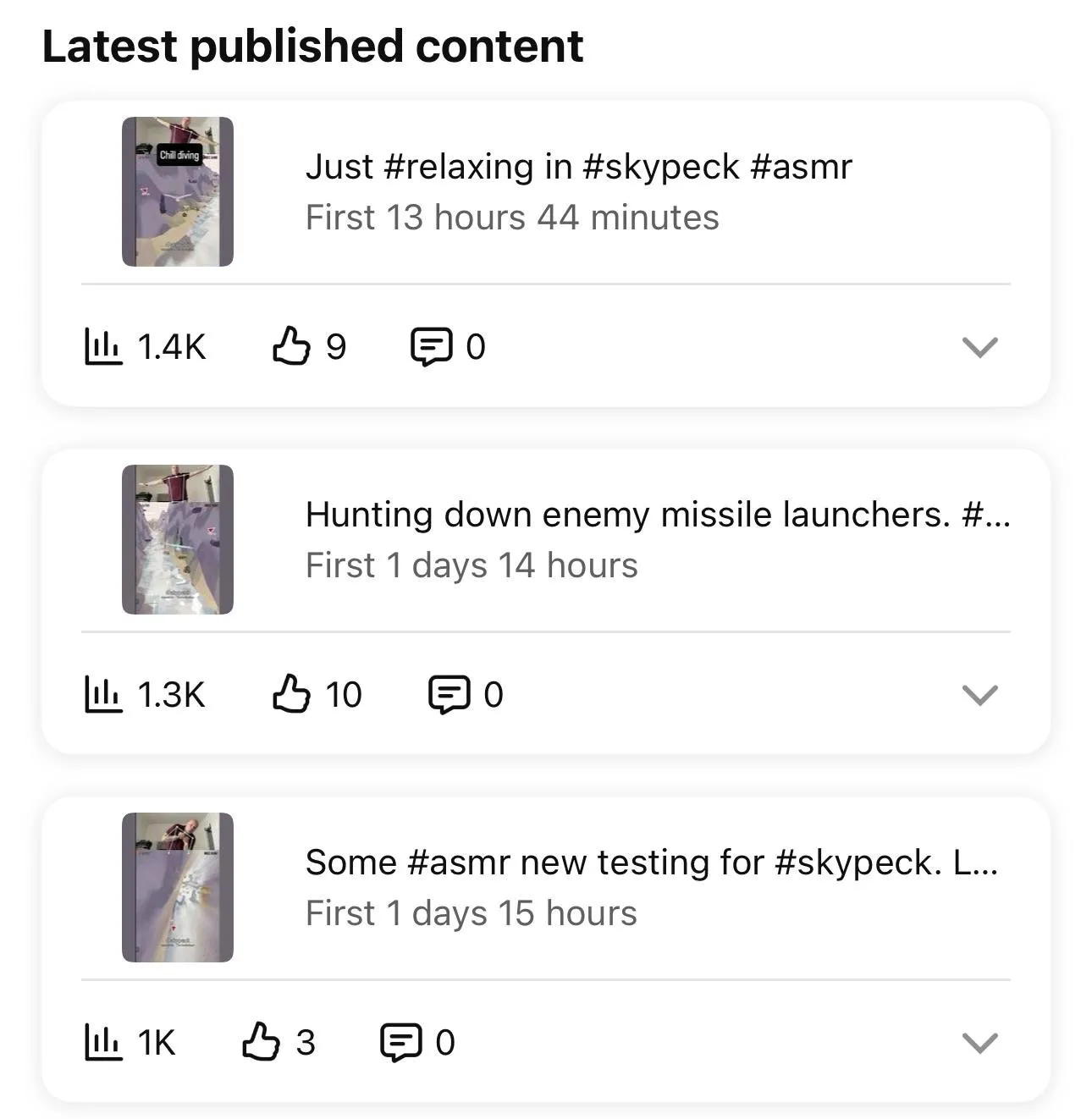
Look at the shape of that line. Four steps, then a plateau, then “great job.” That is not a cheerful message. That is the machine telling you, politely, that you failed to convert 1,000 people into a habit, so it is done with you. Now imagine the videos that did convert. Every one of them earned its place by making a viewer come back. That is what “recommended for you” means, and it does not care that the viewer is three.
The jury agreed
And if you haven’t heard: on March 25, 2026, a jury in Los Angeles County found Meta and YouTube negligent in the first of the social media addiction trials. The plaintiff, a twenty-year-old woman, had started YouTube at six and Instagram at nine. The jury decided both companies had designed their products in a way that was a substantial factor in the harm done to her, and had failed to warn. Six million dollars in damages, seventy percent on Meta, thirty on YouTube. TikTok and Snap settled before the trial began. Both companies say they will appeal, and there are thousands of similar cases waiting behind this one. The CNN report is here.
So this is what you are proposing to let a human into. A human who, being human, does not yet know what can and cannot go in his mouth. And who certainly does not understand what should and should not be put in front of his eyes.
That is why I didn’t give the kid a browser. I gave him something else. Part three: why 2001.
Comments
Comments live in the project's GitHub Discussions. Sign in with GitHub below, or open the discussion on GitHub.